Messi's Former Doctor Opens Up on the Health Problems That Once Held Him Back
The Italian doctor who treated Lionel Messi for the vomiting and muscle problems that plagued his Barcelona years has given a rare interview about their secret sessions in northern Italy.
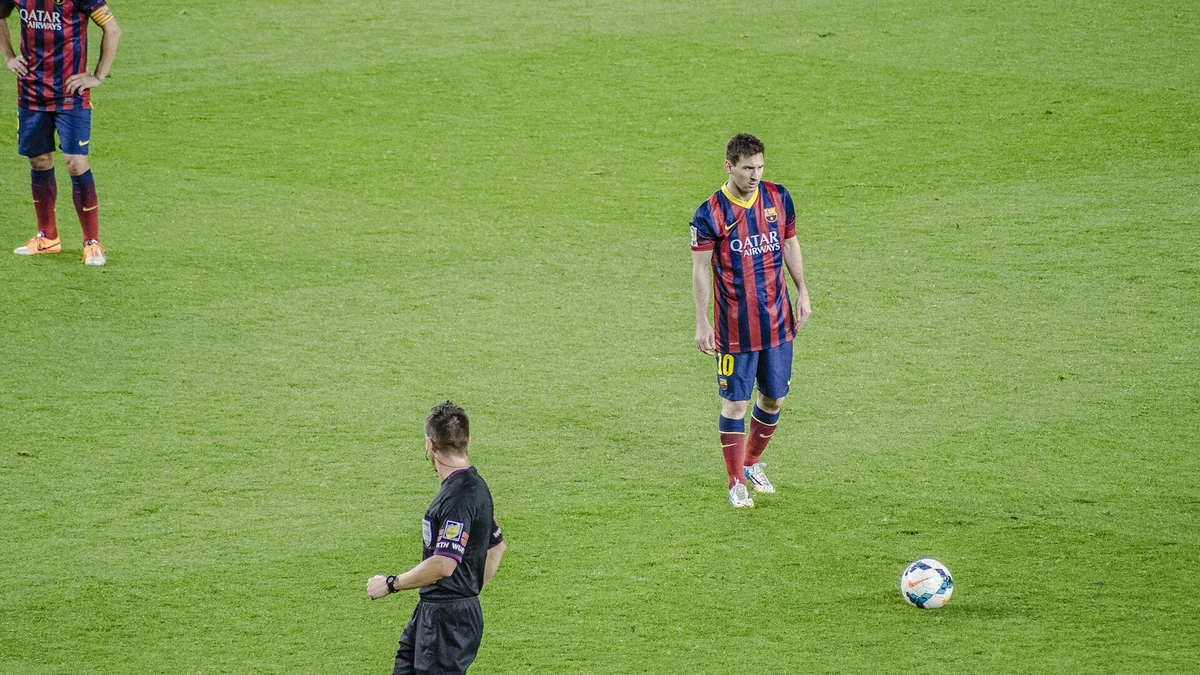
A privilege within reach of very few
Treating Lionel Messi is a privilege within the reach of very few doctors. One of them, Italian sports physician Giuliano Poser, has spoken in an interview about his experience with the Argentine during the years when vomiting and muscle problems prevented the world's best player from being at 100 percent.
Poser, based in Sacile in northern Italy, worked with Messi for years while he was at Barcelona, in sessions kept entirely out of the public eye. Speaking to the BetBrothers website, he described a relationship built on discretion and trust — and a patient who kept returning because the work was delivering results.
"For a few years, Lionel came and worked with me systematically," Poser said. "We arranged times for him to arrive when no one could recognize him, to preserve his privacy. He came very regularly and our work together went very well. We are still friends."
How Maradona's first agent made the introduction
Messi's route to Sacile came through football royalty. Poser revealed that it was Jorge Cyterszpiler — Diego Maradona's first agent — together with a Lionel Messi teammate on the Argentina national team whose name Poser chose not to disclose, who convinced the forward to make the trip.
"I knew Jorge Cyterszpiler, who was Diego Maradona's first agent," Poser said. "Cyterszpiler, who is no longer with us, and a Lionel Messi teammate on the Argentine national team whose name I am not going to reveal, convinced Messi to come here to see me in Sacile, in northern Italy."
The connection was not a one-off consultation. Messi's compatriot Martín Demichelis, who also sought Poser's help, had already recommended the doctor, and by 2015 the Argentine was reportedly making regular visits — with the Italian physician declining at the time to reveal the full nature of the treatment for professional reasons.
The vomiting problem that alarmed the world
The issue that brought Messi to Sacile was impossible to hide on the pitch. He vomited repeatedly during matches, causing alarm — most memorably when he was sick during an Argentina friendly against Romania in Bucharest in 2014, after which he confessed it "happened all the time."
He had been sick the year before in a World Cup qualifier against Bolivia in the high altitude of La Paz, and his then-international coach Alejandro Sabella publicly blamed the episodes on nerves. But the problem persisted through his peak Barcelona years, and for a player of Messi's importance it was a genuine concern.
Messi himself later offered a disarmingly simple explanation: his diet. "I don't know what I ate but I ate badly for many years," he admitted in an interview. "At 22, 23... chocolate, alfajores, fizzy drinks. Now I eat well: fish, meat, vegetables, salads. Everything is organised and taken care of." He added that the change made a real difference: "I really noticed the change when it came to vomiting."
A generous patient with an enormous heart
Perhaps the most revealing part of Poser's interview concerns not medicine but character. The doctor said Messi rarely arrived alone — and insisted that the people with him be seen first.
"Every time he came he brought with him friends, teammates, acquaintances, and family members," Poser explained. "Before his treatment, he would ask me to see them first, while he acted as their interpreter. He has an enormous heart. He is a genuinely generous person, always willing to help others."
Communication was never a barrier: Poser does not speak Spanish, but Messi understood Italian well and the doctor understood Spanish. "I have to say that he is a truly good and exceptional person, who genuinely cares about the people around him," he said. "Like so many of these Argentine footballers, he reached the very top because he had tremendous desire and ambition."
The secret of playing beyond 40
Poser also addressed one of football's most debated topics: how players like Cristiano Ronaldo, Luka Modrić and Messi himself keep performing at the highest level deep into their careers. His verdict was unsentimental — it is the accumulated effect of decades of professional care, discipline and attention to the body.
Messi, now 39, is living proof of that thesis. He remains Inter Miami's driving force in Major League Soccer and is the frontrunner for a third consecutive MLS MVP award, even as he prepares to close his international career against Benin on 6 October. The health problems that once threatened to interrupt his prime are a distant memory; the career they nearly disrupted became the greatest of all time.
The story is a reminder of how thin the margins are at the very top. For several years, one of the most gifted footballers ever produced was dealing with an issue that followed him onto the pitch in front of millions. The fix — better food, organised routines, professional care — sounds almost mundane. But Poser's account suggests the real change was Messi's willingness to commit to it, year after year.
Still friends, still grateful
What endures from the Sacile years, above all, is the relationship. Poser was invited to visit Barcelona and Buenos Aires through his links with Argentine football, and he maintains close ties with many in the game — including Gerardo Martino, the former Argentina and Barcelona coach.
For Messi, the episode is part of a broader story of a player who has always taken his body seriously once he understood what it needed. The vomiting that once worried millions is long gone; the discipline that replaced it — in diet, recovery and professional care — is one reason he is still the centre of attention days before his final match in an Argentina shirt.
Poser's interview also offers a glimpse of the ecosystem behind the trophies: the anonymous specialists, the quiet trips to northern Italy, the agents working in the background. Messi's career is remembered in goals and medals, but it was built on decisions like this one — to take a teammate's advice, drive to Sacile, and keep coming back until the problem was solved.
Questions people ask
Who is the doctor who treated Messi?
Giuliano Poser is an Italian sports physician from Sacile in northern Italy, known for treating elite footballers. Messi visited him regularly during his Barcelona years for recurring vomiting and muscle problems.
What health problems did Messi have?
Messi repeatedly vomited during matches — an issue he later admitted happened all the time — along with recurring muscle problems that prevented him from being at 100 percent.
How did Messi solve the vomiting problem?
Messi himself credits a change of diet: cutting out chocolate, alfajores and fizzy drinks in his early twenties and switching to fish, meat, vegetables and salads. He said the vomiting stopped after the change.
Who sent Messi to see the doctor?
Messi was referred by Jorge Cyterszpiler, Diego Maradona's first agent, and by a fellow Argentina international whose name Poser chose not to reveal.
What did Poser say about playing past 40?
Poser spoke about the longevity secrets of players like Cristiano Ronaldo, Luka Modrić and Messi himself — the kind of care and professionalism that allows elite footballers to keep playing beyond 40.
Are Poser and Messi still in contact?
Yes. Poser said Messi came to see him for years, that their work together went very well, and that the two are still friends.